- Jul 24, 2026
- Construction, News, Road construction
- 0 Comments
Poor road construction drainage in Kenya is a major reason towns flood every rainy season. Roads turn into rivers. Homes flood. Families are displaced overnight, often with no warning.
The 2026 long rains proved the point again. Flash floods swept through Nairobi and 29 other counties. By early April, the death toll had climbed past 100. Nearly 7,000 households suffered property damage nationwide. In Nairobi alone, more than 54,000 households were affected, including 6,000 in the capital itself. Dozens of schools and hospitals flooded. Seventeen major roads were cut off entirely.
This is not just a weather problem. It is an infrastructure problem. And it is one that proper civil engineering can solve.
Why Kenyan Towns Keep Flooding
Weak road construction drainage in Kenya comes down to four recurring problems. Each one is fixable with the right engineering approach.
1. Drainage systems built for a smaller city
Kenya’s rivers, culverts, and stormwater drains were largely designed decades ago. Back then, cities like Nairobi had far smaller populations. Since then, rapid urbanisation, unplanned road construction, and encroachment on riparian land have steadily eaten away at the natural areas that once absorbed excess rainwater. Concrete has replaced wetlands and green space. So rainfall that used to soak into the ground now has nowhere to go but into drains that are already overwhelmed.
2. Blocked and undersized drains
Residents and engineers keep pointing to the same culprit during flash floods: solid waste blocking culverts and drainage channels. In areas like Nairobi West and South C, clogged drainage is the primary driver of flash flooding. Water levels have reportedly risen by up to a meter within two hours during peak storms. And even where drains exist, many are simply too small for the volume of stormwater that modern urban sprawl produces.
3. Roads built without stormwater planning
Roads and drainage should be engineered together, not as an afterthought. Without properly sized culverts, cross-drains, and graded shoulders to channel water away, the road itself becomes a river during heavy rain. That cuts off communities and destroys the very asset meant to connect them.
4. A real financial cost, not just a humanitarian one
Flood-related hazards are estimated to cost the Kenyan economy roughly 8% of GDP every five years. That is a steep price tag. During the March 2026 Nairobi floods alone, small and medium-sized enterprises in affected areas were projected to lose upwards of KES 150 million in daily revenue from disrupted foot traffic and physical damage.
What Good Road Construction Drainage in Kenya Looks Like
At Taison Group, our civil works and general construction teams design roads and drainage as one system, not two separate projects. In practice, that means:
- Culverts and cross-drains sized for peak rainfall, not just average conditions.
- Graded road surfaces and shoulders that push water away from the carriageway instead of letting it pool or wash out the road bed.
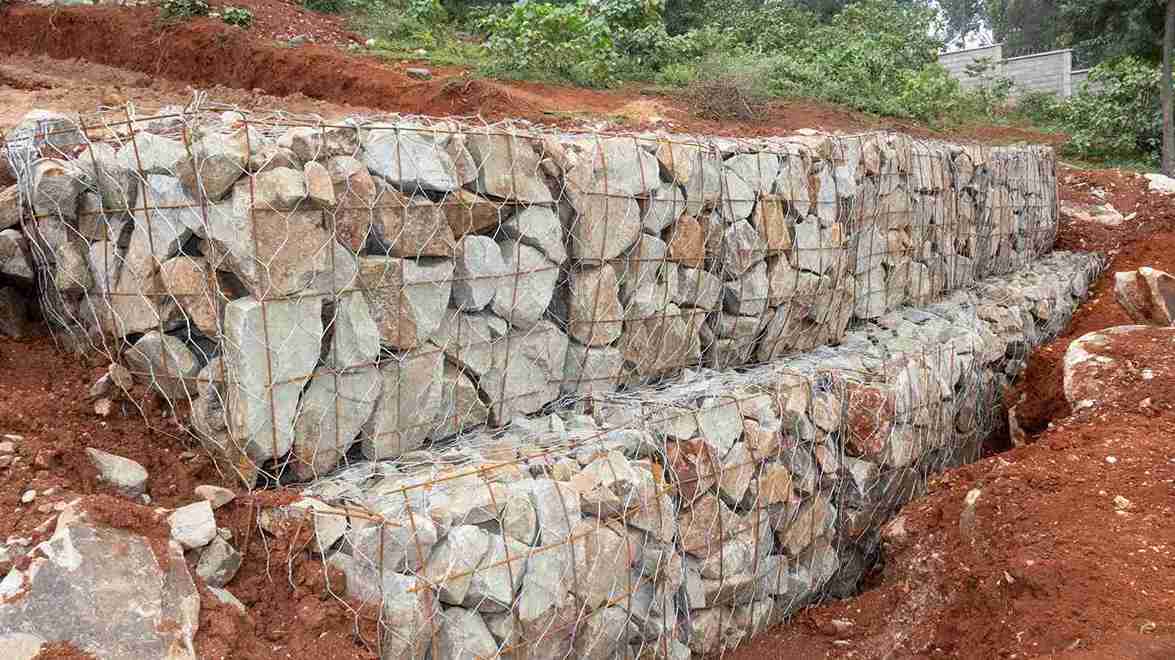
- Reinforced drainage channels along highways and access roads, built to hold up under repeated heavy flow instead of eroding after one or two storms.
- Retention-conscious design, using basins or channels where possible to slow stormwater before it overwhelms downstream systems.
- Maintenance-friendly infrastructure, built so county authorities can clear and maintain drains without major rework later.
We applied this same discipline on our road construction and civil works project in Limuru. Drainage was built into the design from day one. It was not bolted on after the first rainy season exposed a problem.
A National Response Is Underway. Local Projects Still Matter.
Kenya has launched large interventions such as the Nairobi River Regeneration Programme. It is a roughly KES 50 billion initiative aimed at reclaiming riparian land, clearing river encroachments, and upgrading drainage infrastructure along the city’s waterways. But experts note that structural projects alone won’t solve the problem. They need coordinated investment in stormwater management, land-use enforcement, and well-engineered roads at the town and estate level too.
That is where private civil works contractors play a critical role. Every properly drained access road matters. Every correctly sized culvert on a rural road project matters. Every well-planned drainage channel on a commercial site reduces the burden on the wider system, and keeps communities connected when the rains come.
The Bottom Line
Flooding in Kenya is not purely a climate story. It is also a construction and planning story. Poorly designed roads and undersized drains turn heavy rain into a disaster. Getting road construction drainage in Kenya right is not just about compliance or aesthetics. It is about keeping roads passable, protecting property, and, ultimately, saving lives.
If you are planning a road, drainage, or civil works project, the engineering has to come first. That applies whether it’s for a county government, a commercial development, or a private estate. Getting it right from the start is far cheaper than repairing flood damage every rainy season.
Talk to Taison Group’s civil works team about building infrastructure that stands up to Kenya’s rains.