- Jun 4, 2026
- Construction, Road construction
- 0 Comments
One of the most common questions asked by developers, county governments, investors, and property owners is: How long does road construction take in Kenya? Understanding the Road Construction Timeline Kenya is important when planning infrastructure projects, estate developments, commercial properties, and access roads. The duration of a road project depends on several factors. These include the road design, project scope, approvals, drainage requirements, weather conditions, and site terrain. While some access roads can be completed within a few months, larger infrastructure projects may take several years to deliver.
What Determines the Duration of a Road Construction Project?
Road construction is a structured process that involves multiple stages. Each phase must be completed correctly to ensure quality, safety, and long-term durability. According to Kenya’s road sector standards, road projects typically involve planning, design, procurement, earthworks, drainage construction, pavement works, and final inspections. The timeline can vary significantly depending on the classification of the road. National highways, urban roads, and rural access roads all have different technical requirements and approval processes. Road classification also determines the applicable design standards and maintenance requirements.
Stage 1: Planning and Design
Before construction begins, engineers conduct feasibility studies, site surveys, and geotechnical investigations. They evaluate traffic demand, drainage requirements, environmental considerations, and land conditions. This stage can take several weeks or several months depending on the complexity of the project. Large infrastructure development projects often require detailed engineering studies and stakeholder consultations before approvals are issued.
Stage 2: Site Preparation and Earthworks
Earthworks form the foundation of every successful road project. This phase includes site clearing, excavation, grading, filling, and compaction. The duration depends largely on terrain and soil conditions. Flat sites generally require less work than rocky or hilly areas. Poor ground conditions may also require soil stabilization measures, which can extend the project schedule. For many estate roads and access roads, earthworks can account for a substantial portion of the overall road project duration.
Stage 3: Drainage Construction
Proper drainage is one of the most critical aspects of road construction. Water is among the leading causes of road deterioration and pavement failure. Drainage works typically include culverts, side drains, stormwater channels, catch pits, and erosion protection measures. Depending on the size of the project, drainage construction may take several weeks before pavement works can begin. Investing sufficient time in drainage infrastructure helps reduce future maintenance costs and extends the lifespan of the road.
Stage 4: Pavement and Surfacing Works
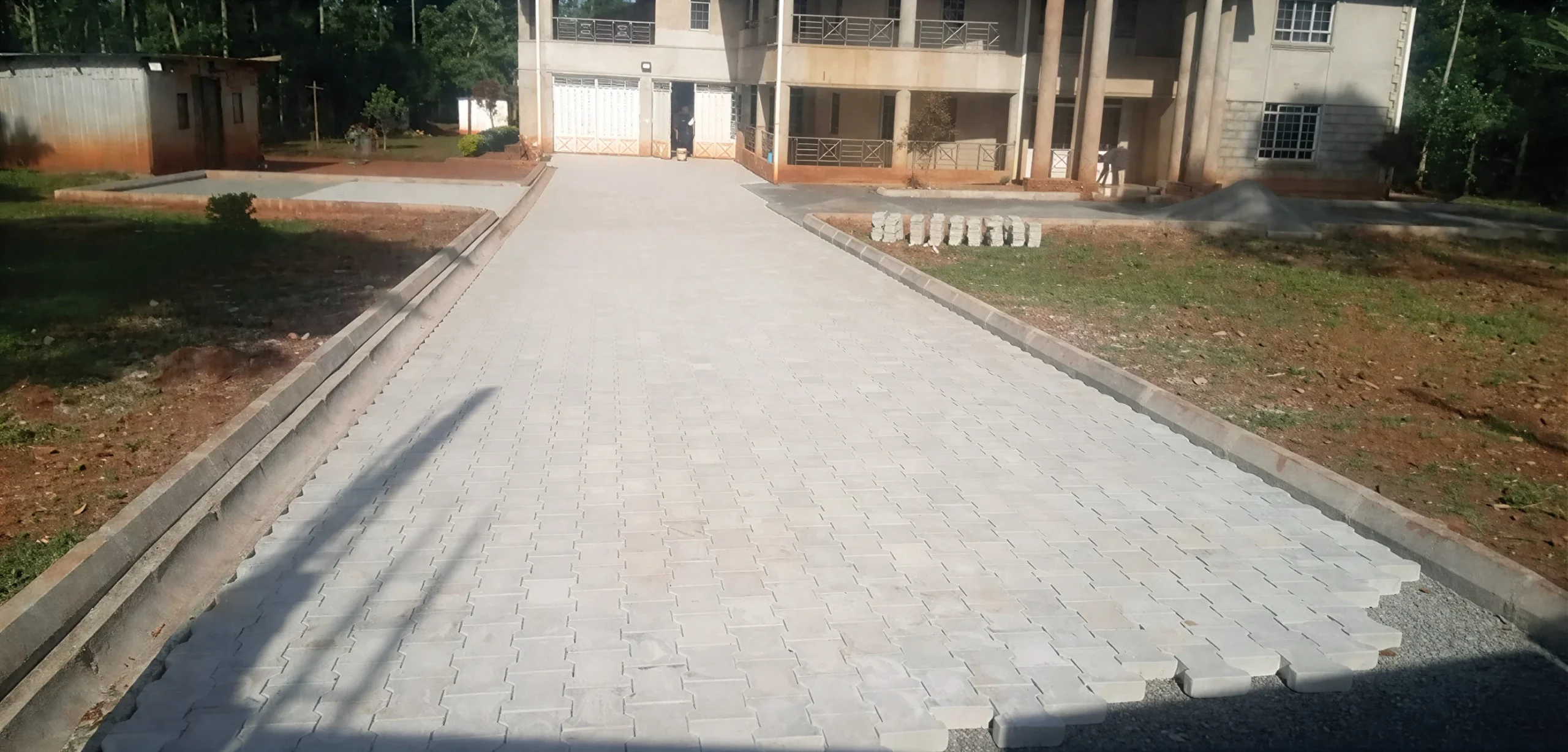
Once earthworks and drainage systems are complete, pavement construction begins. This stage includes the installation of sub-base materials, road base layers, and the final wearing course. For murram roads, this phase may be completed relatively quickly. However, asphalt roads and major highways require additional testing, quality control procedures, and surfacing operations. Road paving activities often represent one of the most visible stages of construction. Nevertheless, the quality of the underlying layers remains equally important for long-term performance.
Stage 5: Road Furniture and Finishing Works
The final stage involves installing road markings, signage, guardrails, pedestrian facilities, and safety features where applicable. Contractors also perform inspections, quality assurance checks, and final corrections before project handover. Road agencies and consultants often conduct technical reviews to ensure compliance with specifications and value for money. Only after these inspections are completed can the road be officially opened for use.
Factors That Can Cause Delays
Several factors can affect the road construction timeline in Kenya.
– Weather conditions often impact earthworks and drainage activities. Heavy rainfall can delay excavation, compaction, and paving operations. In addition, land acquisition challenges, utility relocations, and approval processes may extend project schedules.
-Material availability can also influence progress. Delays in sourcing aggregates, culverts, asphalt, or other construction materials may affect planned completion dates. Effective project management is therefore essential to minimize disruptions.
How Can Road Projects Be Completed Faster?
Successful road projects rely on proper planning and professional project management. Early site investigations, accurate designs, and realistic schedules help reduce unexpected delays. Furthermore, experienced civil engineering contractors can improve efficiency through effective resource allocation, quality control, and coordination of construction activities. Modern construction technologies and project monitoring systems also support timely delivery.
Conclusion
The Road Construction Timeline Kenya depends on project size, road classification, drainage requirements, site conditions, and construction methodology. While smaller access roads may take a few months to complete, larger infrastructure projects often require longer planning and construction periods. Every stage, from planning and earthworks to drainage and paving, plays a critical role in delivering a durable and reliable road. Therefore, working with experienced contractors and project managers is essential for achieving quality results within the expected timeframe.
At Taison Group Ltd, we are among the best road construction contractors in Kenya, delivering high-quality civil works, access roads, drainage systems, infrastructure development, and project management services. Our experienced team combines engineering expertise, construction excellence, and professional supervision to ensure road projects are completed efficiently, safely, and to the highest standards.