
- Jun 3, 2026
- Road construction
- 2 Comments
Road infrastructure plays a critical role in economic growth, property development, and community connectivity. If you are planning a residential estate, commercial development, industrial park, or public infrastructure project, understanding the Road Construction Cost Kenya is essential before starting construction.
Road construction is a significant investment that requires proper planning, engineering design, and quality execution. The total cost varies depending on several factors, including road type, terrain, drainage requirements, materials, and project location. Therefore, property developers, contractors, and investors should understand the key cost drivers before budgeting for a road project.
What Determines Road Construction Cost in Kenya?
Several factors influence the cost of road construction in Kenya. Understanding these elements helps project owners make informed decisions and avoid unexpected expenses during implementation.
1. Road Classification
The type of road being constructed has a major impact on overall costs. A highway requires different specifications from a residential access road or a rural road. Major roads often require wider carriageways, stronger pavement structures, traffic management systems, and additional safety features. For example, an estate access road may require grading, compaction, murram, drainage works, and culverts. On the other hand, a paved urban road may include asphalt surfacing, road markings, street lighting, and pedestrian walkways. As a result, construction costs increase with higher road standards.
2. Site Conditions and Terrain
Terrain significantly affects construction expenses. Flat land generally requires less excavation and earthworks than hilly or rocky terrain. Difficult ground conditions may require additional excavation, rock blasting, retaining structures, or soil stabilization. Furthermore, areas with poor soil conditions often need extra engineering solutions to improve the strength and durability of the road foundation. These additional works can increase project costs substantially.
3. Earthworks and Site Preparation
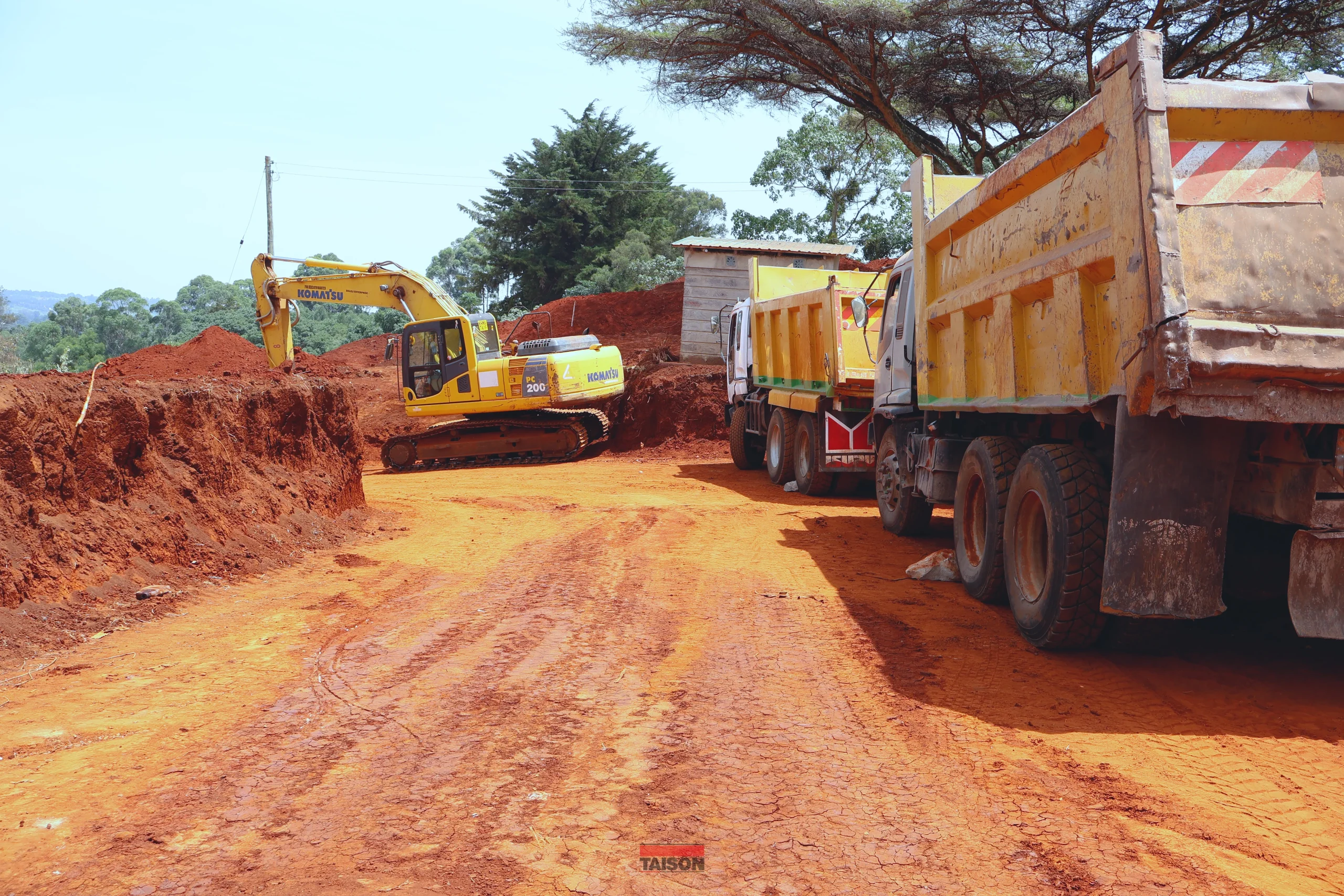
Earthworks form the foundation of every road construction project. This phase includes clearing vegetation, excavation, grading, filling, and compaction. Proper site preparation is essential because it determines the long-term performance of the road. Although earthworks may not be visible after completion, they represent a significant portion of the total project budget. Poorly executed earthworks often lead to premature road failure and costly repairs.
4. Drainage Systems
Drainage is one of the most important components of road construction. Without proper drainage infrastructure, water can damage the road structure and shorten its lifespan. Road drainage works may include side drains, culverts, catch pits, stormwater channels, and erosion control systems. While these elements add to construction costs, they protect the investment and reduce future maintenance expenses.
5. Construction Materials
The choice of construction materials directly affects project costs. Common materials used in road construction include hardcore, murram, gravel, crushed stone, asphalt, concrete, and reinforcement materials. Material prices fluctuate depending on availability, transportation distance, and market conditions. Therefore, sourcing quality materials from reliable suppliers is critical for achieving a durable and cost-effective road.
Why Quality Matters in Road Construction
Many developers focus solely on initial construction costs. However, the lowest bid does not always deliver the best value. Poor workmanship, inadequate drainage, and substandard materials often result in frequent repairs and higher maintenance costs. A well-constructed road offers long-term benefits. It improves accessibility, enhances property value, reduces vehicle operating costs, and supports economic development. Consequently, investing in quality construction can save money over the lifespan of the road.
How Can Road Construction Costs Be Controlled?
Effective planning is the best way to manage construction expenses. A detailed engineering design helps identify project requirements early and reduces costly changes during construction. In addition, proper project management improves efficiency and minimizes delays. Working with experienced civil engineering contractors also helps ensure that resources are used effectively and construction standards are maintained. Regular site supervision, accurate quantity estimates, and proper procurement planning further contribute to cost control. These measures help deliver projects within budget while maintaining quality.
Choosing the Right Road Construction Contractor
Selecting the right contractor is one of the most important decisions in any road project. Experienced contractors understand local conditions, regulatory requirements, and engineering standards. When evaluating contractors, consider their track record, completed projects, technical capacity, and project management systems. It is also important to assess their ability to deliver drainage works, earthworks, pavement construction, and associated infrastructure. A reliable contractor should provide professional advice, transparent pricing, and quality workmanship throughout the project lifecycle.
Understanding the Road Construction Cost Kenya requires more than simply calculating materials and labour. Factors such as road classification, terrain, drainage systems, earthworks, and project management all influence the final cost. Successful road projects begin with proper planning, quality engineering, and experienced construction teams. By investing in professional design and construction services, developers can achieve durable roads that provide long-term value and support sustainable growth.
At Taison Group Ltd, we are the best road construction contractors in Kenya, delivering high-quality civil works, drainage systems, estate roads, access roads, and infrastructure development projects. Our experienced team combines engineering expertise, project management, and quality construction practices to deliver reliable road solutions that stand the test of time.




PUTI
August 26, 2026 at 7:26 amWhat factors have the greatest impact on road construction costs in Kenya?
admin
August 26, 2026 at 12:19 pmProject design, contract management, material logistics and Road Classification & Location have the greatest impact on road construction costs in Kenya.